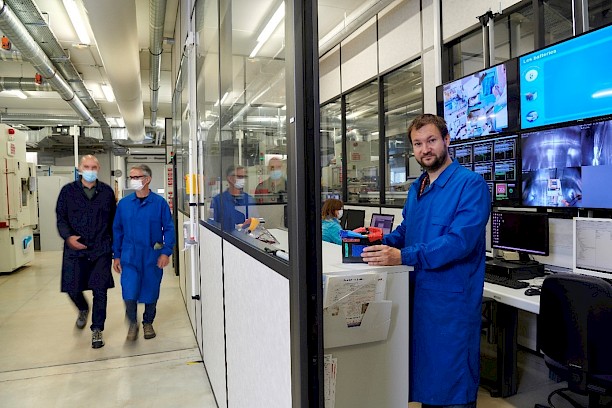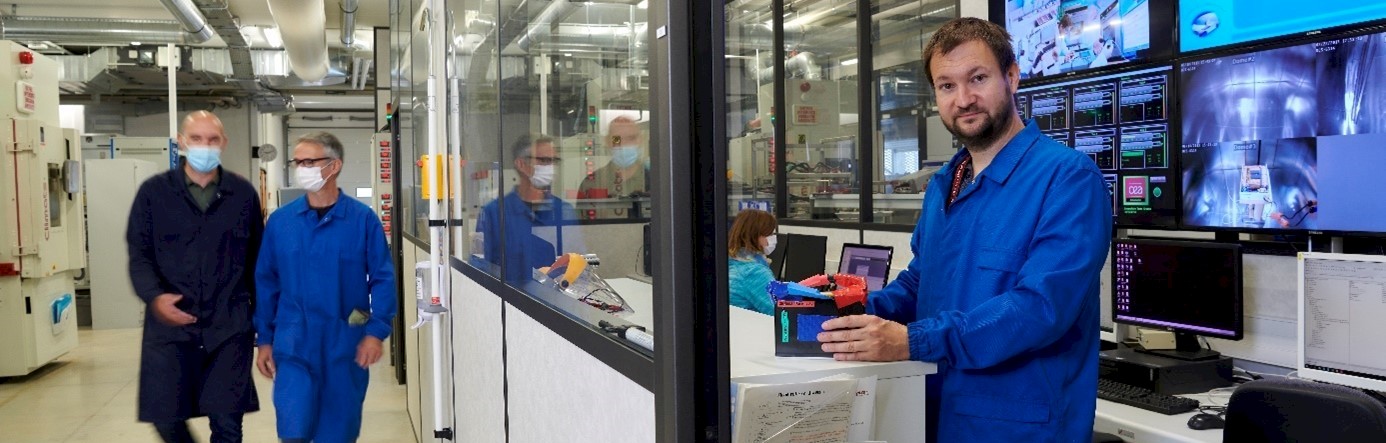
The CEA is innovating to facilitate the reuse of end-of-life batteries and is developing tools and methods to, for instance, quickly identify their state of health or predict their lifetime in a future application.
The electrification of our consumption is driving rapid growth in the global battery market. In this context, giving batteries a second life represents a strategic opportunity to reduce material consumption and environmental impact, simply by extending their useful life before recycling.
Once their initial use is complete—often for electric mobility—batteries retain sufficient residual capacity for stationary applications that require less power, such as storing renewable energy for the electricity grid or powering buildings.
The challenge for our researchers is to understand how to characterize the health of these batteries at the end of their first life, to optimize their reallocation according to their residual performance, and to develop protocols for diagnosis, reconditioning and secure integration. Ultimately, this work should not only enable the use of existing resources, but also the development of circular and sustainable economic models.